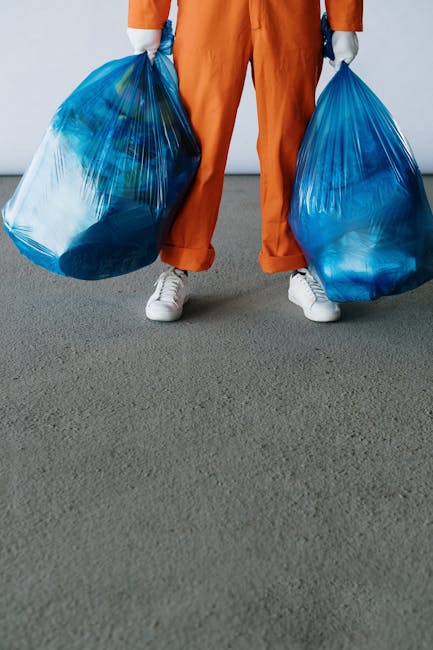
Waste disposal laws for North Harrow removals and donations
Moving home, clearing a flat, or donating furniture sounds simple enough until the waste questions start piling up. What counts as rubbish? What can be donated? Who is responsible if something is dumped illegally? If you are planning a move in North Harrow, understanding Waste disposal laws for North Harrow removals and donations can save you stress, money, and a headache you really do not need on moving week.
The tricky bit is that removals, reuse, recycling, and disposal all overlap. A sofa that is no longer wanted might be a donation, a bulky waste item, or a piece of waste that needs special handling depending on its condition and destination. The right choice depends on safety, legality, and practicality. In this guide, we will break it down in plain English so you can make sensible decisions, stay compliant, and keep the move running smoothly.
Along the way, we will also show where related services can help, from removals and man and van support to furniture pick-up and responsible reuse planning.
Table of Contents
- Why Waste disposal laws for North Harrow removals and donations Matters
- How Waste disposal laws for North Harrow removals and donations Works
- Key Benefits and Practical Advantages
- Who This Is For and When It Makes Sense
- Step-by-Step Guidance
- Expert Tips for Better Results
- Common Mistakes to Avoid
- Tools, Resources and Recommendations
- Law, Compliance, Standards, or Best Practice
- Options, Methods, or Comparison Table
- Case Study or Real-World Example
- Practical Checklist
- Conclusion
- Frequently Asked Questions
Why Waste disposal laws for North Harrow removals and donations Matters
Let's face it: a move creates more "stuff" than you expect. Drawers are emptied, cupboards reveal forgotten bits, and suddenly the pile of items that seemed manageable is not so manageable anymore. Waste disposal law matters because once you decide to get rid of something, you are no longer just tidying up. You are handling waste, reuse, or transfer of goods, and each path has responsibilities attached.
For North Harrow residents, this matters for three practical reasons. First, you want to avoid fly-tipping or handing items to someone who cannot dispose of them properly. Second, you may need to separate donation-ready items from true waste. Third, you want a smooth removal day, not a last-minute scramble where an old mattress is blocking the hallway and nobody wants to own the problem. It happens more than people admit.
There is also a reputational angle. If you are clearing an office, tenancy property, or family home, the way you deal with unwanted items reflects on you. Good waste practice shows care, especially when there are neighbours, landlords, or building managers watching the process. A neat collection of reusable items, a documented disposal route, and a clean handover all help.
And to be fair, a lot of the anxiety comes from not knowing where the legal line sits. That is exactly why a clear, practical explanation is useful.
How Waste disposal laws for North Harrow removals and donations Works
In the UK, the basic idea is simple: if an item is being discarded, it must be handled lawfully; if it is being donated, it should be fit for its new purpose and transferred responsibly. In real life, though, the difference between waste and donation is not always obvious.
1. Identify the item type
Start by sorting items into broad groups:
- Reusable items such as working furniture, clean homeware, and presentable appliances
- Recyclable materials such as cardboard, some metals, and certain packaging
- General waste such as broken, contaminated, or unsafe items
- Special or hazardous items such as chemicals, paint, batteries, or anything with a risk profile
This first pass matters more than people think. It stops good items from being thrown away by accident and reduces the volume that needs disposal. A spare bookshelf in decent condition may be better suited to donation than disposal, but a water-damaged wardrobe is a different story entirely.
2. Decide whether the item is a donation or waste
Donation is not just "someone might want it." In practical terms, the item should be clean, safe, complete, and likely usable. Most charities and reuse organisations will not accept stained mattresses, damaged electrical goods, or furniture that is unstable or infested. If the item is doubtful, treat it as waste unless a recipient has confirmed they can take it.
That sounds harsh, but it protects everyone. A donation that cannot actually be used quickly becomes someone else's disposal problem, which is not the point at all.
3. Check who is taking responsibility
When you use a removals team, donation collection, or furniture pick-up support, ask who is responsible for the item once it leaves your property. This is where things get serious. If a third party removes your waste and dumps it unlawfully, you can still face questions if you did not use a responsible, legitimate operator. The paperwork or booking record matters more than most people expect.
4. Keep a simple audit trail
You do not need a thick file full of notes, but you should know what was removed, where it went, and why. For business moves and larger domestic clearances, a basic list of donated versus discarded items is sensible. It can help if a landlord, agent, insurer, or compliance officer later asks what happened.
5. Use the right disposal route
Different items need different routes. Usable furniture might go to donation. Cardboard and clean packaging can often be recycled. Heavy broken furniture may need a disposal route that is still lawful and traceable. If you are moving household goods as part of a bigger project, services such as house removals or home moves can be useful when you need the physical lifting and transport handled properly.
Key Benefits and Practical Advantages
Following waste disposal rules is not just about avoiding trouble. Done well, it improves the entire moving experience. Here is the upside, and it is more practical than glamorous.
- Less clutter on moving day - fewer unwanted items means faster loading and less chaos.
- Better chance of reuse - good items stay in use instead of being thrown away.
- Reduced legal and environmental risk - lawful disposal helps avoid fly-tipping issues and poor handling.
- Cleaner handover of the property - especially useful for tenants, landlords, and sellers.
- More efficient transport - a sorted load is easier to plan, stack, and move safely.
There is another benefit that people sometimes overlook: certainty. Once you know what is being donated, recycled, or disposed of, you stop second-guessing every box and chair. That mental relief counts. Moving is already noisy enough without a moral debate over a cracked coffee table.
For families, the process can also be less emotional when items with sentimental value are separated early from ordinary waste. That small act of sorting can make a hard day feel more manageable.
Who This Is For and When It Makes Sense
This topic is relevant to a surprisingly wide group of people. If you are doing any kind of removal, clearance, or donation handover in North Harrow, you are probably in scope.
- Home movers who want to minimise what travels to the new property
- Tenants preparing for an end-of-tenancy clearance
- Landlords dealing with abandoned or left-behind items
- Families clearing a property after downsizing or bereavement
- Office managers handling desk, chair, and equipment replacement
- Small businesses moving stock, fixtures, or old office furniture
- Anyone donating items and wanting to do it the right way
It also makes sense when you are comparing transport options. A smaller move might only need a man with van approach, while a larger project may need broader support from a removal company or removal services. If you are in that middle ground where there is a bit of everything, that is often where proper waste sorting pays off most.
When does it make the biggest difference? Usually when you have bulky furniture, mixed household items, and a short deadline. That combination can get messy fast.
Step-by-Step Guidance
Here is a practical way to handle waste disposal laws for North Harrow removals and donations without overcomplicating it.
- Walk through the property room by room. Use four categories: keep, donate, recycle, dispose.
- Separate donation-ready items early. Good furniture, clean textiles, books, and usable household goods should be kept apart from waste.
- Check condition honestly. If it is broken, badly marked, unsafe, or incomplete, do not assume it can be donated.
- Identify anything special. Batteries, paints, solvents, sharp items, and electricals may need extra care.
- Choose the right removal route. If the move is substantial, plan the transport before the day itself.
- Confirm where donations are going. If a recipient has capacity, collection windows, and acceptance criteria, you are in a much safer position.
- Document the outcome. Keep a simple list of what was donated, recycled, or disposed of.
- Recheck before loading. One last sweep can stop accidental disposal of something valuable. Happens all the time, especially with chargers, documents, and keys.
A small real-world example: a family clearing a spare room before a house move might find a solid pine chest of drawers, a broken office chair, old paperback books, and several boxes of packaging. The chest might be donated, the books could be passed on if in good condition, the packaging might be recycled, and the chair may need disposal. That is the sort of split that keeps the process lawful and efficient.
Expert Tips for Better Results
There are a few habits that make this much easier. They are not flashy, just effective.
- Sort before the removal team arrives. Mixed piles slow everything down and increase mistakes.
- Label donation items clearly. A strip of tape with "donate" written on it is enough.
- Keep electronics together. They often need special handling, even if they still work.
- Take photos of larger items. This helps if you need to confirm condition with a donation recipient.
- Be realistic about "maybe reuse." If you would not give it to a friend, a charity is unlikely to want it either.
- Ask about insurance and handling. This is especially wise for heavy furniture or awkward stair access.
If you are working on a larger residential clearance, pairing proper sorting with packing and unpacking services can save time and reduce accidental mixing. It sounds a bit over the top until you are on the floor at 8:15 p.m., trying to remember which box had the donation items in it.
One more thing: do not let "I might use this later" become a storage strategy for junk. We have all been there, but honestly, that old kettle probably is not coming back into fashion.
Common Mistakes to Avoid
Most disposal problems are caused by a handful of predictable errors. Once you know them, they are easy to avoid.
- Leaving everything until the final hour. This is the fastest way to throw away good items by accident.
- Assuming charity means "anything goes." Donation organisations often have strict acceptance rules.
- Mixing waste with reusable items. One contaminated item can ruin a whole bag or box of donations.
- Using an unverified carrier. If someone removes your waste without proper handling, the risk does not magically disappear.
- Ignoring special items. Paint, batteries, and similar materials need a separate thought process.
- Forgetting access issues. A back gate, narrow stair, or controlled building entry can affect how items are collected.
- Not reading your agreement. Terms can matter, particularly for what is and is not included in a removal booking.
Another quiet mistake is being too generous with "probably fine." A donation that is actually damaged can waste everyone's time. Better to be slightly strict at the sorting stage.
Tools, Resources and Recommendations
You do not need specialist software to handle this well. A few simple tools go a long way.
- Coloured labels or sticky notes for keep, donate, recycle, and dispose
- A phone camera to record item condition before collection
- Basic tape measure for checking whether bulky items will fit through access points
- Reusable boxes or bags for donation items that should stay clean and protected
- A simple inventory list if you are clearing a flat or office
From a service perspective, useful pages on this site include recycling and sustainability for broader environmental awareness, insurance and safety for handling reassurance, and health and safety policy if you want to understand how safe working practices shape the moving process.
If the move is commercial rather than domestic, you may also want to look at office removals or commercial moves, because business waste and office furniture disposal tend to involve more coordination than a standard home clear-out.
Law, Compliance, Standards, or Best Practice
This section is where people often want a straight answer. The safest plain-English version is this: do not treat unwanted items casually. If something is waste, it should be disposed of responsibly; if something is donated, it should be suitable for reuse and passed on in good faith.
In the UK, waste handling usually involves a duty of care mindset: you should take reasonable steps to ensure waste is transferred to someone who can handle it lawfully. For removals, that means you should be careful about who collects items, what they are taking, and whether they are likely to manage them properly. You do not need to become a legal expert, but you do need common sense and a paper trail.
Best practice in this context generally includes:
- Separating reusable items from waste before collection
- Avoiding illegal dumping routes
- Using responsible transport and handling
- Keeping records for larger clearances
- Following any landlord, building, or business rules that apply to the property
There is also a safety angle. Heavy lifting, sharp edges, and contaminated items can all create injury risks. If you are using a removals team, make sure access, load size, and item condition are discussed before the day. That keeps the job safer and usually quicker too.
For readers who want a general service overview alongside compliance-minded handling, pages such as removal services and removal companies can help frame what a professional approach looks like. Not every provider will offer the same level of support, so it is worth asking direct questions.
Options, Methods, or Comparison Table
Here is a simple comparison of the most common ways people handle unwanted items during a North Harrow move.
| Option | Best for | Pros | Watch-outs |
|---|---|---|---|
| Donate items | Clean, usable furniture and household goods | Supports reuse, reduces waste, often faster than disposal | Must meet acceptance standards and be safe to use |
| Recycle materials | Cardboard, some metals, selected packaging | Lower waste volume, often straightforward for sorted materials | Contamination can make recycling impossible |
| General disposal | Broken, unsafe, or contaminated items | Clear end point, suitable for true waste | Must be handled lawfully and responsibly |
| Full removals support | Mixed loads and larger moves | Good for transport, lifting, and coordination | Needs clear instructions so donations are not mixed with waste |
In practice, many households use a combination of all four. That is normal. A wardrobe may be donated, the old packaging recycled, the broken lamp disposed of, and the rest moved to the new place. Simple on paper. A bit fiddly in real life.
Case Study or Real-World Example
Imagine a North Harrow couple downsizing from a three-bedroom house to a smaller flat. They have a dining table, six chairs, two bookshelves, assorted boxes, and an old washing basket full of bits and pieces. Nothing dramatic, just a lot of ordinary life packed into corners and cupboards.
They start by sorting. The dining table is in good condition, though it needs a wipe-down. Three chairs are fine, two are wobbly, and one is broken. The bookshelves are usable. The boxes contain a mix of cables, old paperwork, kitchen bits, and packaging.
What happens next?
- The dining table and good chairs are set aside for donation.
- The bookshelves are checked for stability and also marked for reuse.
- The broken chair is classed as waste.
- Cardboard packaging is separated for recycling.
- Old paperwork is reviewed, shredded if needed, and not mixed with donation goods.
On moving day, the removal team loads the approved items only. The donation items are clearly identified, and the household has a written list of what is going where. No drama, no confusion, no last-minute "actually, maybe keep that chair." A pretty ordinary move, really, but it shows how good sorting quietly prevents problems.
That sort of structure is especially useful if you are using removals near me as a starting point and want to narrow down to a service that can handle both transport and sensible item separation.
Practical Checklist
Use this checklist before your removal or donation collection. It is simple, but it catches most of the issues people miss.
- Have you sorted items into keep, donate, recycle, and dispose?
- Are all donation items clean, safe, and complete?
- Have you identified any special waste such as batteries, paint, or chemicals?
- Do you know which items need careful lifting or extra protection?
- Have you confirmed access details such as stairs, parking, or lift restrictions?
- Have you separated paperwork, personal documents, and valuables?
- Is there a clear list of what is leaving the property?
- Have you checked the provider's terms, safety approach, and insurance position?
- Are bulky items measured and ready for collection?
- Have you made sure donation items are not mixed back in with waste?
If you can tick most of those off, you are in good shape. Not perfect, maybe, but definitely on the right track.
Conclusion
Waste disposal laws for North Harrow removals and donations are really about making smart, responsible choices before items leave your property. The key is to separate what can be reused, what can be recycled, and what truly needs disposal. Once you do that, the rest becomes much easier.
For many people, the biggest win is simply peace of mind. You are not guessing, you are not improvising on the day, and you are not leaving awkward decisions until the van is outside and everyone is waiting. A little planning goes a long way.
If your move is bigger than expected, professional support can help bring order to the chaos. You can also review related information such as pricing and quotes if you want to plan the job properly and understand what is likely to be involved.
Get a free quote today and see how much you can save.
Do the sorting carefully, keep the good stuff moving forward, and let the rest go the right way. That is usually the calmest route, and honestly, the kindest one too.
Frequently Asked Questions
What are the basic waste disposal rules I should know during a North Harrow move?
The main rule is to separate reusable items, recyclable materials, and true waste before collection. If something is being thrown away, it should go through a lawful disposal route. If it is being donated, it should be safe, usable, and accepted by the recipient. A little sorting early on saves a lot of stress later.
Can I put old furniture out for donation if it is still usable?
Usually yes, but only if it is clean, complete, and in a condition the receiving organisation can realistically accept. A wobbly chair or heavily stained sofa may be refused. It helps to check acceptance standards before moving day rather than hoping for the best.
What items are usually not suitable for donation?
Broken furniture, unsafe electrical items, stained mattresses, contaminated goods, and items with pests or major wear are commonly refused. If you would hesitate to offer it to someone you know, that is often a sign it belongs in the waste stream instead.
Do I need to keep records of what was donated or disposed of?
For small domestic moves, a simple list is usually enough. For larger clearances or business moves, keeping a record is a sensible best practice. It helps if anyone later asks where items went or what happened to a particular piece of furniture.
Who is responsible if my waste is dumped illegally by someone else?
Responsibility can become complicated if you used an unverified or careless carrier. That is why it is important to use a reputable provider and keep some basic details of the transfer. In plain terms: do not hand items to a mystery van and hope for the best.
Can cardboard and packaging be recycled after a move?
Often yes, provided the materials are clean and not contaminated with food, liquid, or mixed waste. Flattening boxes and separating recyclable material from general rubbish makes the process much easier. Those mountain-like cardboard piles do add up quickly, though.
Are electrical items handled differently from other waste?
They often are. Even when they look harmless, electrical items can require separate handling because of wiring, batteries, or internal components. If an appliance is damaged or very old, it is safer to treat it cautiously and avoid mixing it with donation goods.
What is the best way to combine removals and donations?
The cleanest method is to sort everything before loading day, label donation items clearly, and tell the removals team what stays, what goes, and what should be set aside. That prevents accidental disposal of reusable items and keeps the process efficient.
Should I use a man and van service for small donation runs?
For smaller loads, yes, that can be a practical option. A service like man and van removals can be suitable when you have a modest number of items and want flexible transport. Just make sure the provider understands which items are donations and which are waste.
How do I know whether a provider is suitable for bulky waste and furniture?
Ask about item handling, access requirements, safety practices, and whether they can manage larger pieces without damage. If you are moving heavy items, it is worth checking that their approach fits the property layout. A good fit is less about flash and more about competence.
What happens if I leave everything until the last minute?
You usually end up with mixed piles, missed donation opportunities, and higher risk of disposal mistakes. It also makes the day feel more frantic. Even thirty minutes of sorting the evening before can make the whole job feel far more controlled.
Can office furniture be donated during a business move?
Often yes, if it is in suitable condition and the recipient can accept it. Office relocations may also involve a mix of reusable desks, recycling, and disposal. For that reason, many businesses look at office relocation services alongside donation planning so the load is handled in an orderly way.
What is the safest first step if I am unsure about an item?
Set it aside and check the item's condition, safety, and likely destination before making a decision. If it seems doubtful, do not force it into a donation pile. One cautious decision is usually better than creating a disposal problem you did not need.